Author: modernmemoir@outlook.com

  • Which JR Pass is right for your Japan trip?

    Which JR Pass is right for your Japan trip?

    If you’re planning a trip to Japan, you’ve probably heard of the JR Pass. It’s often advertised as the best way to travel around the country, but with the 2023 price increase and so many different options, it’s easy to overpay or buy the wrong one…💸😭

    This guide breaks down everything you actually need to know, so you can choose the right JR Pass, save money, and travel more comfortably.


    The Two Types of JR Passes You Need to Know

    There are two main categories of JR Passes:

    1) The Nationwide Japan Rail Pass

    Klook.com

    This is the “classic” JR Pass that lets you ride JR trains across the whole country, including:

    • Shinkansen (bullet trains)
    • Limited express trains
    • Local JR trains

    You can buy it for 7, 14, or 21 days.

    However, since October 2023, the price increased by more than 60%. A 7-day pass now costs about 50,000 yen.

    Here’s why that matters:

    • round trip between Tokyo and Osaka usually costs less than 30,000 yen with single tickets.
    • That means if you’re only doing Tokyo ↔ Osaka, the nationwide pass isn’t worth it.
    • You’ll only save money if you’re traveling long distances across multiple regions in a short time.

    And realistically, trying to “rush” through Japan just to make the pass worth the price often makes trips exhausting and less enjoyable…😓


    2) Regional JR Passes (The Smarter Option for Most Travelers)

    Klook.com

    If you’re mainly staying within specific areas, regional JR passes are usually a much better deal.

    These passes cover specific parts of Japan, such as:

    • Kansai (Osaka, Kyoto, Kobe)
    • Tohoku
    • Hokkaido
    • Hokuriku region

    Because they cover smaller areas, they are significantly cheaper than the nationwide pass.

    Two great examples:

    • Hokuriku Arch Pass – lets you travel from Tokyo to Kanazawa and down to Kyoto/Osaka via the Hokuriku route.
    • Kansai–Hiroshima Area Pass (JR West) – perfect for Osaka, Kyoto, Hiroshima, Okayama, and more.

    If your trip is focused on one region, regional passes almost always give you better value.


    The Best Money-Saving Strategy Most People Don’t Use

    One of the biggest travel hacks in Japan is combining different transport options instead of relying on just one pass.

    The most cost-effective strategy is:

    ✅ Use regional JR passes inside specific areas
    ✅ Use single-journey Shinkansen tickets to connect major cities
    ✅ Use overnight buses for cheaper long-distance travel
    ✅ Consider budget airlines for far distances

    For example:

    • Take a single Shinkansen ticket from Tokyo → Kyoto
    • Then use a Kansai regional pass to explore Osaka, Kyoto, Nara, and nearby cities

    This gives you:

    • More flexibility
    • More time in each place
    • Better cost control
    • Less pressure to “rush” your trip

    If you’re on a tighter budget, overnight buses are incredibly useful — you save on hotel nights and arrive early in the morning.


    My 🔗Japan travel guide contains long hours of research, which includes even more tips like this + carefully curated places based on local recommendations, deeper cultural insights, pop culture, subcultures, art, music, literature and prominent figures in Japan…


    A Smarter Way to Structure Your Japan Trip

    These simple planning choices can save you a lot of money:

    1. Start and end in different cities
    Instead of flying in and out of Tokyo, try:

    • Flying to Tokyo
    • Flying out of Osaka (or the other way around)

    This removes the need for expensive round-trip train tickets.

    2. Choose fewer regions, not more
    Slowing down your travel lets you enjoy cities properly instead of constantly packing and rushing.


    How to Use a JR Pass in Japan

    Once you buy your pass, here’s how it actually works:

    Activating Your Pass

    When you arrive in Japan:

    • Go to a JR Travel Service Center or JR ticket office
    • Show your passport and your exchange voucher

    Important note:
    Regional passes can only be activated inside their region. For example, JR West passes must be exchanged in the Kansai area.


    Seat Reservations

    • You can reserve seats for Shinkansen and limited express trains
    • Some regional passes limit how many reserved seats you can book (e.g., 5 per pass)
    • You can always sit in non-reserved carriages if seats are full

    When using Shinkansen gates, remember:
    👉 Insert your JR Pass, not your seat reservation ticket.


    Real Example: How I Saved Money with the Right Strategy

    On one of my trips, I skipped the nationwide JR Pass completely.

    Instead, I:

    • Took an overnight bus from Tokyo → Osaka (using Willer Express)
    • Used the Kansai–Hiroshima Area Pass as my regional base
    • Visited:
      • Hiroshima and Miyajima Island
      • Okayama and Naoshima
      • Shimanami Kaido (cycling route in Onomichi)

    I also planned my flights so I arrived in Tokyo and flew out of Osaka, so I didn’t need expensive return train tickets.

    This approach saved me a lot of money and made the trip more relaxed.


    How to Decide Which JR Pass Is Right for You

    Use this simple 3-step method:

    Step 1: Write down every city you want to visit
    Step 2: Look for a regional pass that covers most of them
    Step 3: Use single tickets, buses, or flights to connect different regions

    Bonus tip: Use the JR Pass calculator to see if your routes actually make the pass worth it.


    Where to Buy Your JR Pass

    A reliable way to buy JR Passes is through Klook.

    You can also find:

    • Attraction tickets
    • eSIMs
    • Transport passes

    You can use this 10% discount code on Klook:
    BLAKETTKLOOK


    Final Thoughts

    The JR Pass isn’t automatically the best option anymore.

    The smartest travelers:

    • Consider regional passes instead
    • Use single journey tickets to access different regions
    • Slow down their itineraries

    With a little planning, you’ll save money, travel more comfortably, and enjoy Japan far more…🇯🇵🥰
  • Tokyo Subway Ticket: Should you get one?

    Tokyo Subway Ticket: Should you get one?

    If you’re planning a trip to Tokyo, you’ve probably seen the Tokyo Subway Ticket all over social media. It’s often advertised as one of the cheapest ways to get around the city, but very few guides actually explain how to use it efficiently or whether it’s really worth buying.

    This guide will help you decide if it’s right for your trip and shows you exactly how to maximize its value.


    What Is the Tokyo Subway Ticket?

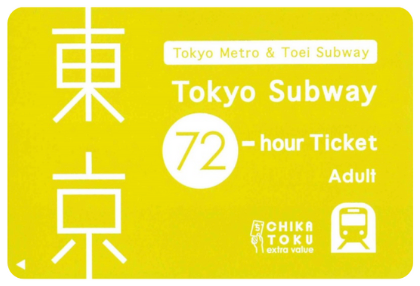
    The Tokyo Subway Ticket gives you unlimited rides on Tokyo’s two subway systems:

    • Tokyo Metro
    • Toei Subway

    You can choose between three time-based options:

    • 24-hour pass – ¥800
    • 48-hour pass – ¥1,200
    • 72-hour pass – ¥1,500

    These passes activate from your first use, not when you collect them.


    What Lines Does the Tokyo Subway Ticket Cover?

    This ticket only covers subway lines, not JR trains.

    ✅ Covered:

    • Tokyo Metro lines
    • Toei Subway lines

    ❌ Not covered:

    • JR trains (including the Yamanote Line)
    • Private railways

    This might sound limiting, but the Tokyo subway system actually offers excellent coverage of central Tokyo, including:

    • Asakusa
    • Roppongi
    • Tsukiji
    • Jimbocho
    • Shibuya
    • Harajuku
    • Shinjuku
    • Akihabara

    It reaches many major attractions that JR lines don’t.


    Is the Tokyo Subway Ticket Worth It?

    For most visitors staying 3 days or more, the 72-hour ticket offers the best value.

    At only ¥1,500 total (about ¥500 per day), you can save money quickly.

    Here’s how it compares to using a Suica (IC card):

    • A single subway ride usually starts at around ¥178
    • Longer trips cost more
    • If you take at least 3 rides per day, the subway ticket is already cheaper

    The more you travel, the more you save.


    Do You Still Need a Suica Card?

    Yes — you still need a Suica or IC card, even if you buy the Tokyo Subway Ticket.

    You’ll need it for:

    • Trains to and from Narita or Haneda Airport
    • JR lines
    • Private railways not covered by the subway pass
    • Travel after your pass expires

    Think of the subway ticket as your main tool for central Tokyo, and Suica as your backup.


    Where to Buy the Tokyo Subway Ticket

    You can buy the ticket in several ways, but many travelers prefer using Klook because:

    • You can pre-order before arriving in Japan
    • You receive a QR code after payment
    • You simply collect the ticket when you arrive

    You can also use a Klook discount code (if you have one) to save on attractions and transport bookings.


    How to Collect the Ticket in Tokyo

    Once you arrive in Japan, go to a Tokyo Metro or Toei Subway station and choose one of these methods:

    1. Collect it from a ticket office
    2. Use a ticket machine with QR code scanner

    Both methods are easy and only take a few minutes.


    How to Use the Tokyo Subway Ticket

    Using the ticket is simple:

    1. Insert the ticket into the subway gate
    2. Walk through
    3. Don’t forget to take the ticket back at the end

    Your ticket activates only when you use it the first time, which gives you flexibility.

    Important detail:
    The time limit applies when you enter the station, not when you exit.


    Common Mistakes That Waste Your Ticket

    Many travelers buy the ticket but don’t use it efficiently. Here’s how to avoid that.

    Mistake 1: Staying Too Far From a Subway Station

    If your hotel is far from a subway station, you’ll end up:

    • Walking long distances
    • Using trains not covered by the pass

    Always check your hotel’s location on Google Maps before booking.


    Mistake 2: Poor Itinerary Planning

    The best strategy:

    1. List all places you want to visit
    2. Identify which ones are reachable by subway
    3. Group them into a 2–3 day subway-focused itinerary
    4. Use the ticket heavily during those days

    Save JR trains and private railways for other days.


    Mistake 3: Skipping Nighttime Travel

    Your ticket gives you unlimited rides, so you should use it into the night.

    Great nightlife areas to visit by subway:

    • Shibuya
    • Shinjuku

    Many restaurants and bars stay open late, and night rides help you squeeze more value from your pass.


    Extra Ways to Maximize the Tokyo Subway Ticket

    The ticket also gives you discounts at over 350 attractions in Tokyo.

    Just show your ticket at the entrance to get extra savings.

    More tips:

    • Track your activation time
      • A 72-hour ticket activated at 11:00 AM works until 11:00 AM on day 4
    • If your ticket expires while you’re on the train, you can still exit normally
    • Use route-planning apps like Japan Travel App
      • You can filter routes by “Tokyo Subway Ticket” to find covered journeys easily

    Final Verdict: Should You Buy the Tokyo Subway Ticket?

    You should get the Tokyo Subway Ticket if:

    ✅ You plan to use the subway multiple times per day
    ✅ You’re staying in central Tokyo
    ✅ You enjoy moving around freely without counting fares

    You might skip it if:

    ❌ You’ll mainly use JR trains
    ❌ You’re staying far from subway stations
    ❌ You don’t plan to move much each day

    Used correctly, the Tokyo Subway Ticket can save you a real amount of money and make your Tokyo trip much smoother…